Triple E has conducted a significant study into the benefits of urban greenery commissioned by a broad alliance of green organizations. What distinguishes this new study from others is the explicit distinction made between general economic benefits (mostly on a macro scale) and hard financial benefits (mostly on a micro scale). This is important because many studies present billions in economic ‘benefits’ based on key figures that have no value whatsoever in daily economic transactions. Yet that is how they are often viewed and used (or at least attempts are made to use them that way, because that is of course impossible).
This concerns, for example, CO2 benefits, health benefits, benefits in the field of biodiversity, and other ecosystem services for which a value has been determined by experts, but which have no real economic value whatsoever and on the basis of which no economic transactions can take place. These benefits are useful as economic arguments to entice the government to invest in greenery, but not to entice citizens and private parties to invest. This requires tangible benefits: real money. Such as the value of real estate, revenue from hospitality in nature reserves, or cost savings in the purification of drinking water. In these cases, the benefits can truly be converted into real money, and the beneficiaries are clearly identified. In fact, sometimes they are already paying, such as drinking water companies in the Netherlands that pay for the management of the dunes where the drinking water is purified by nature. In short, wherever tangible economic benefits are in view, new financial arrangements and PPP structures can be established.
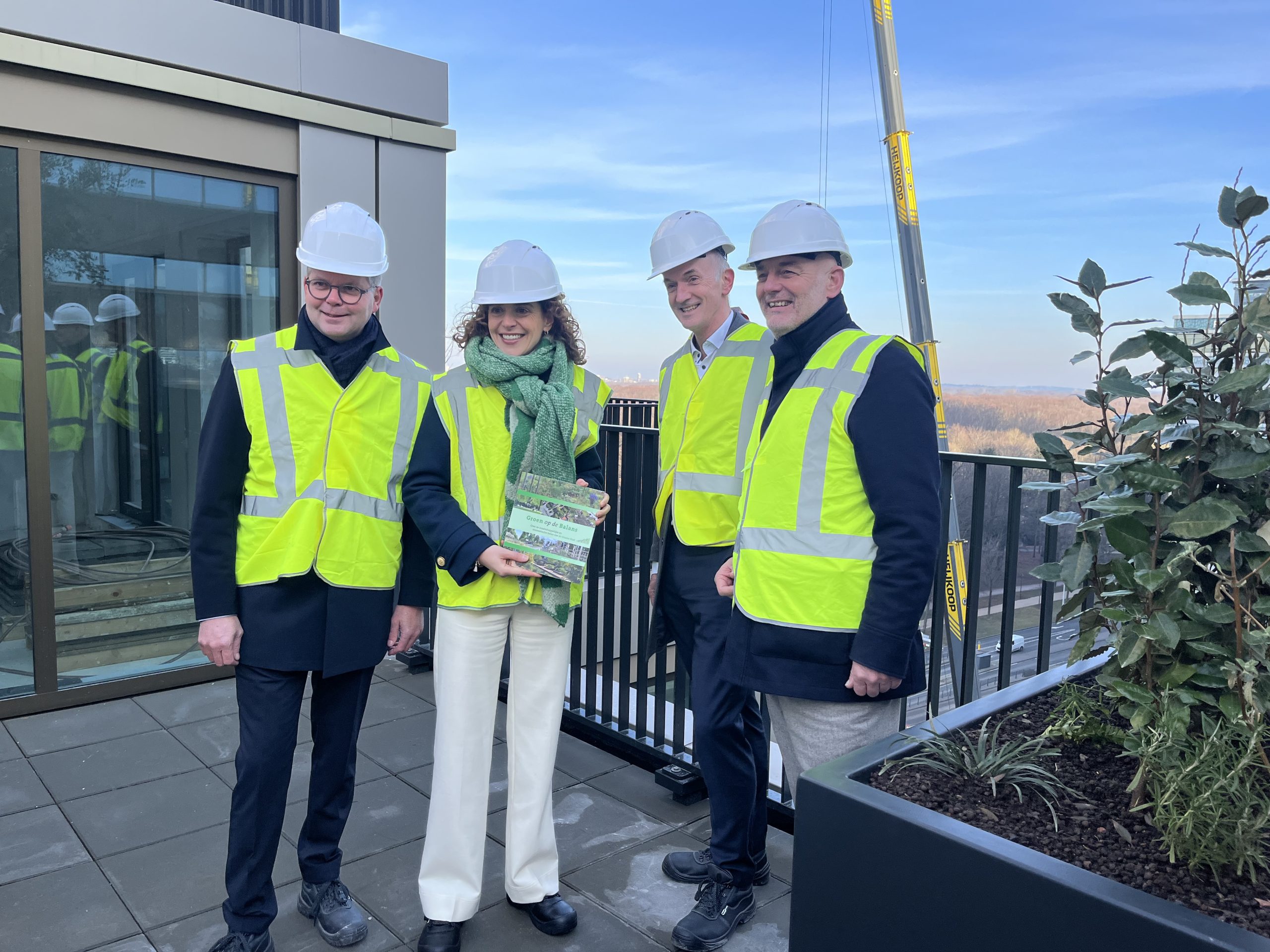
It is this clear distinction that makes Groen op de Balans a book unlike any other study. Not only is it methodologically consistent, but it is also a much better economic handbook for the sector.